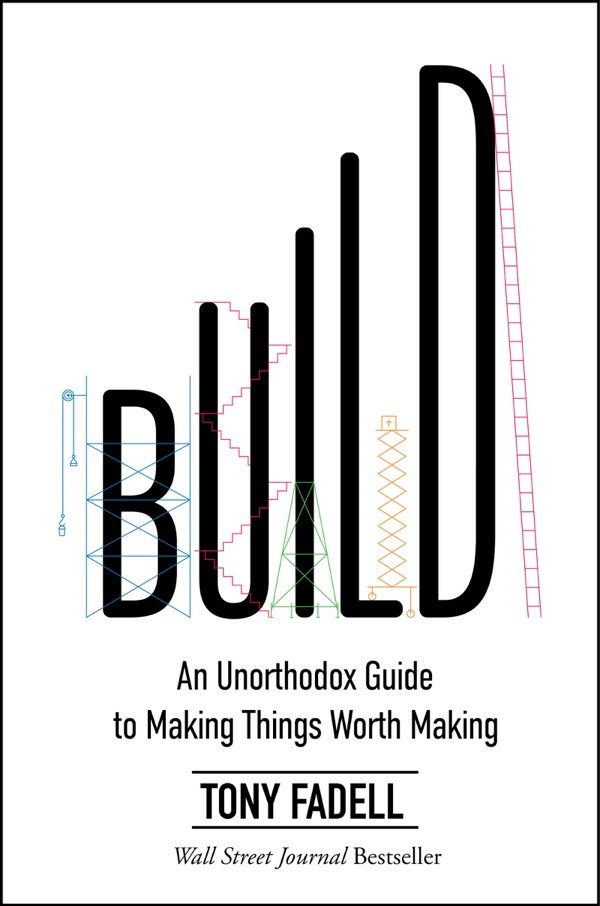
Build: An Unorthodox Guide to Making Things Worth Making
by Tony Fadell
He used a technique I later came to call the virus of doubt. It’s a way to get into people’s heads, remind them about a daily frustration, get them annoyed about it all over again. If you can infect them with the virus of doubt—“Maybe my experience isn’t as good as I thought, maybe it could be better”—then you prime them for your solution. You get them angry about how it works now so they can get excited about a new way of doing things. Every product should have a story, a narrative that explains why it needs to exist and how it will solve your customer’s problems. A good product story has three elements: » It appeals to people’s rational and emotional sides. » It takes complicated concepts and makes them simple. » It reminds people of the problem that’s being solved—it focuses on the “why.”
Every product should have a story, a narrative that explains why it needs to exist and how it will solve your customer’s problems. A good product story has three elements: » It appeals to people’s rational and emotional sides. » It takes complicated concepts and makes them simple. » It reminds people of the problem that’s being solved—it focuses on the “why.”
Honesty is more important than style. Everyone has a style—loud, quiet, emotional, analytical, excited, reserved. You can be successful with any style as long as you never shy away from respectfully telling the team the uncomfortable, hard truth that needs to be said.
The key is persistence and being helpful. Not just asking for something, but offering something. You always have something to offer if you’re curious and engaged. You can always trade and barter good ideas; you can always be kind and find a way to help.
A good mentor won’t hand you the answers, but they will try to help you see your problem from a new perspective. They’ll loan you some of their hard-fought advice so you can discover your own solution.
The critical thing is to have a goal. To strive for something big and hard and important to you. Then every step you take toward that goal, even if it’s a stumble, moves you forward.
"He used a technique I later came to call the virus of doubt. It’s a way to get into people’s heads, remind them about a daily frustration, get them annoyed about it all over again. If you can infect them with the virus of doubt—“Maybe my experience isn’t as good as I thought, maybe it could be better”—then you prime them for your solution. You get them angry about how it works now so they can get excited about a new way of doing things."
"Every product should have a story, a narrative that explains why it needs to exist and how it will solve your customer’s problems. A good product story has three elements: » It appeals to people’s rational and emotional sides. » It takes complicated concepts and makes them simple. » It reminds people of the problem that’s being solved—it focuses on the “why.”"
"Honesty is more important than style. Everyone has a style—loud, quiet, emotional, analytical, excited, reserved. You can be successful with any style as long as you never shy away from respectfully telling the team the uncomfortable, hard truth that needs to be said."
"The key is persistence and being helpful. Not just asking for something, but offering something. You always have something to offer if you’re curious and engaged. You can always trade and barter good ideas; you can always be kind and find a way to help."
"A good mentor won’t hand you the answers, but they will try to help you see your problem from a new perspective. They’ll loan you some of their hard-fought advice so you can discover your own solution."
"The critical thing is to have a goal. To strive for something big and hard and important to you. Then every step you take toward that goal, even if it’s a stumble, moves you forward."
"So when you’re looking at the array of potential careers before you, the correct place to start is this: “What do I want to learn?”"
- →Honesty is more important than style. Everyone has a style—loud, quiet, emotional, analytical, excited, reserved. You can be successful with any style as long as you never shy away from respectfully telling the team the uncomfortable, hard truth that needs to be said.
- →The key is persistence and being helpful. Not just asking for something, but offering something. You always have something to offer if you’re curious and engaged. You can always trade and barter good ideas; you can always be kind and find a way to help.
- →A good mentor won’t hand you the answers, but they will try to help you see your problem from a new perspective. They’ll loan you some of their hard-fought advice so you can discover your own solution.
- →So when you’re looking at the array of potential careers before you, the correct place to start is this: “What do I want to learn?”
Looking for something similar?
Describe your situation. The search finds the right book from the entire library.