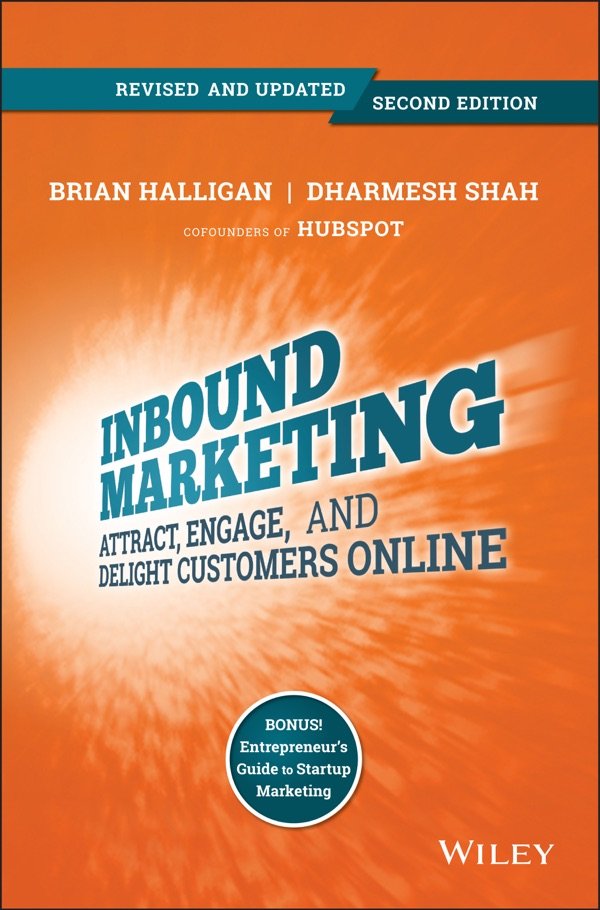
Inbound Marketing: Get Found Using Google, Social Media, and Blogs
by Brian Halligan
The first thing you should measure is the number of subscribers you have. By subscribers, we mean people who subscribe to your RSS feed and e-mail list. Also include the number of people who are following you on social media sites including fans of your Facebook page, followers of your LinkedIn Group or Twitter feed, and the number of Diggs or Delicious bookmarks you have. First, add something collaborative to your site like a blog (which is easy to update on a regular basis). Second, start creating lots of compelling content people will want to consume (see following chapters on how to do this). Third, start focusing where the real action is: Google, industry blogs, and social media sites.
The first thing you should measure is the number of subscribers you have. By subscribers, we mean people who subscribe to your RSS feed and e-mail list. Also include the number of people who are following you on social media sites including fans of your Facebook page, followers of your LinkedIn Group or Twitter feed, and the number of Diggs or Delicious bookmarks you have.
First, add something collaborative to your site like a blog (which is easy to update on a regular basis). Second, start creating lots of compelling content people will want to consume (see following chapters on how to do this). Third, start focusing where the real action is: Google, industry blogs, and social media sites.
Every page on your site should have a call-to-action, not just your home page and landing pages, and the calls-to-action should be context sensitive. For example, your product page might have a “see a demonstration” call-to-action while your services page might have a “get a free 30-minute consultation” call-to-action.
In addition, you should be measuring the number of links back to your web site from other web sites and the number of organic keywords that are producing traffic to your site on Google. You can get this information from Web analytics software and online tools that measure inbound links, such as website.grader.com.
“Watch your competitors, but don’t follow them.” Within your marketplace, unwritten rules form that you and all your competitors implicitly agree to and fight along. These rules are typically set by the current market leader who educates the customers—who then force the rules upon new entrants like you.
"The first thing you should measure is the number of subscribers you have. By subscribers, we mean people who subscribe to your RSS feed and e-mail list. Also include the number of people who are following you on social media sites including fans of your Facebook page, followers of your LinkedIn Group or Twitter feed, and the number of Diggs or Delicious bookmarks you have."
"First, add something collaborative to your site like a blog (which is easy to update on a regular basis). Second, start creating lots of compelling content people will want to consume (see following chapters on how to do this). Third, start focusing where the real action is: Google, industry blogs, and social media sites."
"Every page on your site should have a call-to-action, not just your home page and landing pages, and the calls-to-action should be context sensitive. For example, your product page might have a “see a demonstration” call-to-action while your services page might have a “get a free 30-minute consultation” call-to-action."
"In addition, you should be measuring the number of links back to your web site from other web sites and the number of organic keywords that are producing traffic to your site on Google. You can get this information from Web analytics software and online tools that measure inbound links, such as website.grader.com."
"“Watch your competitors, but don’t follow them.” Within your marketplace, unwritten rules form that you and all your competitors implicitly agree to and fight along. These rules are typically set by the current market leader who educates the customers—who then force the rules upon new entrants like you."
"The second method for creating a winning strategy in the era of inbound marketing is to be the world’s best at what you do within your existing market rules. If you are not the world’s best within your market, define your market more narrowly before one of your competitors takes that position."
"What should you write about? Anything that pertains to your industry and that will be of interest to your readers: how-to articles, analysis of a current industry trend or challenge, announcements of upcoming events, feedback on articles you read in print publications, etc."
- →First, add something collaborative to your site like a blog (which is easy to update on a regular basis). Second, start creating lots of compelling content people will want to consume (see following chapters on how to do this). Third, start focusing where the real action is: Google, industry blogs, and social media sites.
- →The second method for creating a winning strategy in the era of inbound marketing is to be the world’s best at what you do within your existing market rules. If you are not the world’s best within your market, define your market more narrowly before one of your competitors takes that position.
- →What should you write about? Anything that pertains to your industry and that will be of interest to your readers: how-to articles, analysis of a current industry trend or challenge, announcements of upcoming events, feedback on articles you read in print publications, etc.
- →If you are already a blogger, we recommend you start a project where you go back to all of your old blog articles and re-work the titles to include relevant industry keywords as well as find opportunities to create links from old articles to your web site or other articles.
Looking for something similar?
Describe your situation. The search finds the right book from the entire library.