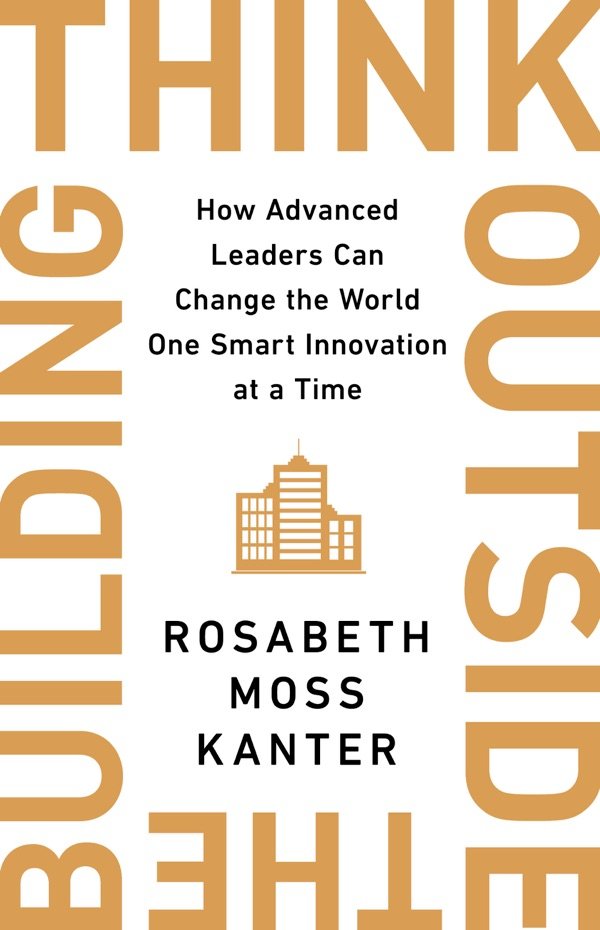
Think Outside the Building: How Advanced Leaders Can Change the World One Smart Innovation at a Time
by Rosabeth Moss Kanter
Kaleidoscope thinking is a way of constructing new patterns from the fragments of data available, patterns that no one else has yet imagined, because they challenge conventional assumptions about how pieces of the organization, the marketplace, or the community can fit together. Kaleidoscope thinking is systems thinking with a new twist. But as a generally upbeat and optimistic person, I wanted less whining and more doing. If there are big problems, I thought, then we shouldn’t just sit around and complain about them. We should mobilize more people to think bigger and differently about how to engage in positive action.
Kaleidoscope thinking is a way of constructing new patterns from the fragments of data available, patterns that no one else has yet imagined, because they challenge conventional assumptions about how pieces of the organization, the marketplace, or the community can fit together. Kaleidoscope thinking is systems thinking with a new twist.
But as a generally upbeat and optimistic person, I wanted less whining and more doing. If there are big problems, I thought, then we shouldn’t just sit around and complain about them. We should mobilize more people to think bigger and differently about how to engage in positive action.
Castles are any set of institutional structures that loom large and feel permanent. Castles are monuments to the past and to past thinking, museums of preservation. They are establishments harboring the establishment, the elites of business and society.
What all of them have in common is the desire to move beyond established structures to chart new pathways where ambiguity, complexity, and conflict reign. They find new ideas and engage in new modes of action. They must think outside the building.
On both social media and in face-to-face conversations, I heard people whining about an almost endless number of complex, divisive, and seemingly unsolvable problems and then grumbling about an absence of bold, imaginative leadership to fix them.
"Kaleidoscope thinking is a way of constructing new patterns from the fragments of data available, patterns that no one else has yet imagined, because they challenge conventional assumptions about how pieces of the organization, the marketplace, or the community can fit together. Kaleidoscope thinking is systems thinking with a new twist."
"But as a generally upbeat and optimistic person, I wanted less whining and more doing. If there are big problems, I thought, then we shouldn’t just sit around and complain about them. We should mobilize more people to think bigger and differently about how to engage in positive action."
"Castles are any set of institutional structures that loom large and feel permanent. Castles are monuments to the past and to past thinking, museums of preservation. They are establishments harboring the establishment, the elites of business and society."
"What all of them have in common is the desire to move beyond established structures to chart new pathways where ambiguity, complexity, and conflict reign. They find new ideas and engage in new modes of action. They must think outside the building."
"On both social media and in face-to-face conversations, I heard people whining about an almost endless number of complex, divisive, and seemingly unsolvable problems and then grumbling about an absence of bold, imaginative leadership to fix them."
"Dreams about a better world open new possibilities. Dreams provide purpose and meaning. Finding the sense of purpose embodied in a dream takes people outside the buildings in their minds; it helps them begin to envision new forms of action."
"Their years of experience have netted them the three Cs that we will see throughout this book are central to leadership for innovation and social change: capabilities, connections, and cash."
- →Kaleidoscope thinking is a way of constructing new patterns from the fragments of data available, patterns that no one else has yet imagined, because they challenge conventional assumptions about how pieces of the organization, the marketplace, or the community can fit together. Kaleidoscope thinking is systems thinking with a new twist.
- →What all of them have in common is the desire to move beyond established structures to chart new pathways where ambiguity, complexity, and conflict reign. They find new ideas and engage in new modes of action. They must think outside the building.
- →Given such strong defenses against change, fresh ideas come from those who do more than think outside the box. They think outside the building.
Looking for something similar?
Describe your situation. The search finds the right book from the entire library.