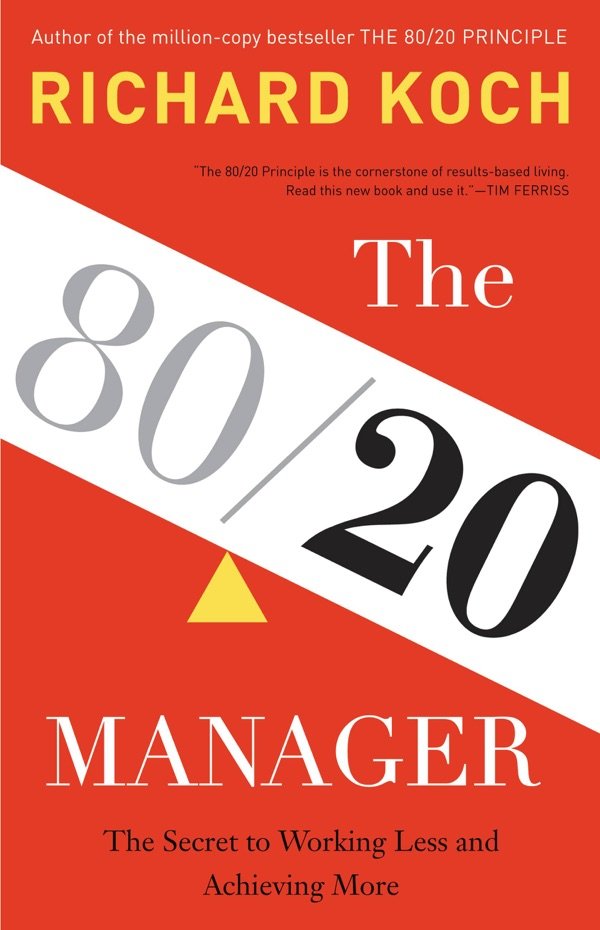
The 80/20 Manager: The Secret to Working Less and Achieving More
von Richard Koch
Nobody excels without a coach or mentor, even if they are not called that. Sure, you can take yourself a certain distance on your own. But to excel, and sustain high performance, humans need coaches and mentors. In the last forty years, not a single athlete has attended the summer Olympic Games without a coach. Well, coaches provide experience and ideas, and they make you accountable. But perhaps most of all they give encouragement. The assumption that all sales are good leads to profitless growth. Unwary managers attach roughly the same importance to new, disaffected and/or complaining customers—who buy little, demand unfeasibly low prices, and demoralize staff and other customers—as they do to loyal, long-standing and enthusiastic customers who pay the full whack, recommend products to friends, and improve the morale of the company’s best employees.
For constructive specialization, your “product offering” must fall in the sweet spot where (1) you are fulfilling a strong customer need, (2) with unique knowledge and capabilities, (3) that other managers—in this respect, your competitors—don’t have.
Most companies, and certainly most managers, focus on inputs rather than outputs. They look at process—the 1001 tasks you have to do each week. Whereas they should be looking at results—specifically at what produces the best results.
As to methods there may be a million and then some, but principles are few. The man who grasps principles can successfully select his own methods. The man who tries methods, ignoring principles, is sure to have trouble.
People are people are people. Develop a basic understanding of the human person or you will fail. And one of the main drivers in every human being is this: when people take an interest in us, we thrive.
Most of all, though, you need the temperament and the discipline to think before you act, to resist distractions and to work only on those vital matters that are truly worthwhile.
"Nobody excels without a coach or mentor, even if they are not called that. Sure, you can take yourself a certain distance on your own. But to excel, and sustain high performance, humans need coaches and mentors. In the last forty years, not a single athlete has attended the summer Olympic Games without a coach. Well, coaches provide experience and ideas, and they make you accountable. But perhaps most of all they give encouragement."
"The assumption that all sales are good leads to profitless growth. Unwary managers attach roughly the same importance to new, disaffected and/or complaining customers—who buy little, demand unfeasibly low prices, and demoralize staff and other customers—as they do to loyal, long-standing and enthusiastic customers who pay the full whack, recommend products to friends, and improve the morale of the company’s best employees."
"For constructive specialization, your “product offering” must fall in the sweet spot where (1) you are fulfilling a strong customer need, (2) with unique knowledge and capabilities, (3) that other managers—in this respect, your competitors—don’t have."
"Most companies, and certainly most managers, focus on inputs rather than outputs. They look at process—the 1001 tasks you have to do each week. Whereas they should be looking at results—specifically at what produces the best results."
"As to methods there may be a million and then some, but principles are few. The man who grasps principles can successfully select his own methods. The man who tries methods, ignoring principles, is sure to have trouble."
"People are people are people. Develop a basic understanding of the human person or you will fail. And one of the main drivers in every human being is this: when people take an interest in us, we thrive."
"Most of all, though, you need the temperament and the discipline to think before you act, to resist distractions and to work only on those vital matters that are truly worthwhile."
- →Most companies, and certainly most managers, focus on inputs rather than outputs. They look at process—the 1001 tasks you have to do each week. Whereas they should be looking at results—specifically at what produces the best results.
- →In order to do a good job of those things that we decide to do, we must eliminate all the unimportant opportunities.
Ähnliche Bücher gesucht?
Beschreibe deine Situation. Die Suche findet das passende Buch aus der gesamten Bibliothek.