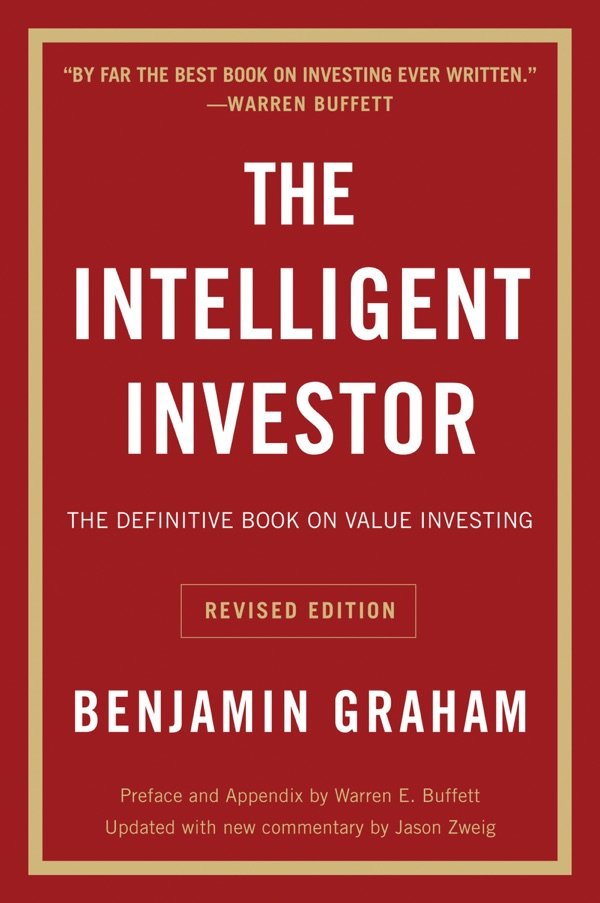
The Intelligent Investor
von Benjamin Graham
The intelligent investor realizes that stocks become more risky, not less, as their prices rise—and less risky, not more, as their prices fall. The intelligent investor dreads a bull market, since it makes stocks more costly to buy. And conversely (so long as you keep enough cash on hand to meet your spending needs), you should welcome a bear market, since it puts stocks back on sale. The market is a pendulum that forever swings between unsustainable optimism (which makes stocks too expensive) and unjustified pessimism (which makes them too cheap). The intelligent investor is a realist who sells to optimists and buys from pessimists.
The intelligent investor realizes that stocks become more risky, not less, as their prices rise—and less risky, not more, as their prices fall. The intelligent investor dreads a bull market, since it makes stocks more costly to buy. And conversely (so long as you keep enough cash on hand to meet your spending needs), you should welcome a bear market, since it puts stocks back on sale.
The market is a pendulum that forever swings between unsustainable optimism (which makes stocks too expensive) and unjustified pessimism (which makes them too cheap). The intelligent investor is a realist who sells to optimists and buys from pessimists.
Obvious prospects for physical growth in a business do not translate into obvious profits for investors. The experts do not have dependable ways of selecting and concentrating on the most promising companies in the most promising industries.
It has long been the prevalent view that the art of successful investment lies first in the choice of those industries that are most likely to grow in the future and then in identifying the most promising companies in these industries.
To enjoy a reasonable chance for continued better than average results, the investor must follow policies which are (1) inherently sound and promising, and (2) not popular on Wall Street.
"The intelligent investor realizes that stocks become more risky, not less, as their prices rise—and less risky, not more, as their prices fall. The intelligent investor dreads a bull market, since it makes stocks more costly to buy. And conversely (so long as you keep enough cash on hand to meet your spending needs), you should welcome a bear market, since it puts stocks back on sale."
"The market is a pendulum that forever swings between unsustainable optimism (which makes stocks too expensive) and unjustified pessimism (which makes them too cheap). The intelligent investor is a realist who sells to optimists and buys from pessimists."
"Obvious prospects for physical growth in a business do not translate into obvious profits for investors. The experts do not have dependable ways of selecting and concentrating on the most promising companies in the most promising industries."
"It has long been the prevalent view that the art of successful investment lies first in the choice of those industries that are most likely to grow in the future and then in identifying the most promising companies in these industries."
"To enjoy a reasonable chance for continued better than average results, the investor must follow policies which are (1) inherently sound and promising, and (2) not popular on Wall Street."
"“An investment operation is one which, upon thorough analysis promises safety of principal and an adequate return. Operations not meeting these requirements are speculative.”"
"The defensive investor must confine himself to the shares of important companies with a long record of profitable operations and in strong financial condition."
- →Obvious prospects for physical growth in a business do not translate into obvious profits for investors. The experts do not have dependable ways of selecting and concentrating on the most promising companies in the most promising industries.
- →Never mingle your speculative and investment operations in the same account, nor in any part of your thinking.
- →“Obvious prospects for physical growth in a business do not translate into obvious profits for investors.”
Ähnliche Bücher gesucht?
Beschreibe deine Situation. Die Suche findet das passende Buch aus der gesamten Bibliothek.