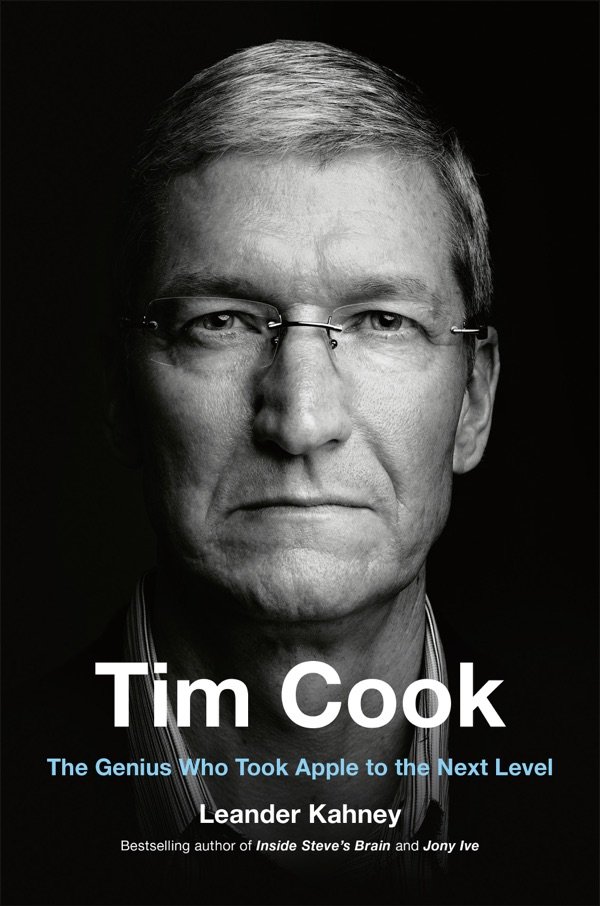
Tim Cook: The Genius Who Took Apple to the Next Level
von Leander Kahney
“The thing that ties us all is we’re brought together by values. We want to do the right thing. We want to be honest and straightforward. We admit when we’re wrong and have the courage to change. And there can’t be politics. I despise politics. There is no room for it in a company. My life is going to be way too short to deal with that. No bureaucracy. We want this fast-moving, agile company where there are no politics, no agendas.” Cook hated excess inventory with the same zeal that Jobs hated shoddy design. He even cast it in moral terms, describing piled up inventory as “fundamentally evil” because of its drag on company finances. He gave an analogy that seemed to have been inspired by his upbringing in rural farm country. “You want to manage it like you’re in the dairy business,” he said. “If it gets past its freshness date, you have a problem.”
“When I think of ethics, I think of leaving things better than you found them. And to me, that goes from everything from environmentally, to how you work with suppliers with labor questions, to the carbon footprint of your products, to the things you choose to support, to the way you treat your employees. Your whole persona fits under that umbrella.”
“I believe this is a practical world and that I can count only on what I earn. Therefore, I believe in work, hard work. I believe in education, which gives me the knowledge to work wisely and trains my mind and my hands to work skillfully. I believe in honesty and truthfulness, without which I cannot win the respect and confidence of my fellow men.”
His former math teacher Barbara Davis recalled, “He was a reliable kid. He was always meticulous with his work, so I knew it would be done right.” Many colleagues and former bosses said the same thing: He could always be trusted to do a job well. And doing things right would become a hallmark of his career.
“When Steve Jobs departed, he took three things with him: 1) singular charismatic leadership that bound the company together and elicited extraordinary performance from its people; 2) the ability to take big risks; and 3) an unparalleled ability to envision and design products.”
“He’ll ask you ten questions,” said Steve Doil, who joined Cook’s operations group in December 1998. “If you answer them right, he’ll ask you ten more. If you do this for a year, he’ll start asking you nine questions. Get one wrong, and he’ll ask you 20 and then 30.”
"“The thing that ties us all is we’re brought together by values. We want to do the right thing. We want to be honest and straightforward. We admit when we’re wrong and have the courage to change. And there can’t be politics. I despise politics. There is no room for it in a company. My life is going to be way too short to deal with that. No bureaucracy. We want this fast-moving, agile company where there are no politics, no agendas.”"
"Cook hated excess inventory with the same zeal that Jobs hated shoddy design. He even cast it in moral terms, describing piled up inventory as “fundamentally evil” because of its drag on company finances. He gave an analogy that seemed to have been inspired by his upbringing in rural farm country. “You want to manage it like you’re in the dairy business,” he said. “If it gets past its freshness date, you have a problem.”"
"“When I think of ethics, I think of leaving things better than you found them. And to me, that goes from everything from environmentally, to how you work with suppliers with labor questions, to the carbon footprint of your products, to the things you choose to support, to the way you treat your employees. Your whole persona fits under that umbrella.”"
"“I believe this is a practical world and that I can count only on what I earn. Therefore, I believe in work, hard work. I believe in education, which gives me the knowledge to work wisely and trains my mind and my hands to work skillfully. I believe in honesty and truthfulness, without which I cannot win the respect and confidence of my fellow men.”"
"His former math teacher Barbara Davis recalled, “He was a reliable kid. He was always meticulous with his work, so I knew it would be done right.” Many colleagues and former bosses said the same thing: He could always be trusted to do a job well. And doing things right would become a hallmark of his career."
"“When Steve Jobs departed, he took three things with him: 1) singular charismatic leadership that bound the company together and elicited extraordinary performance from its people; 2) the ability to take big risks; and 3) an unparalleled ability to envision and design products.”"
"“He’ll ask you ten questions,” said Steve Doil, who joined Cook’s operations group in December 1998. “If you answer them right, he’ll ask you ten more. If you do this for a year, he’ll start asking you nine questions. Get one wrong, and he’ll ask you 20 and then 30.”"
- →His former math teacher Barbara Davis recalled, “He was a reliable kid. He was always meticulous with his work, so I knew it would be done right.” Many colleagues and former bosses said the same thing: He could always be trusted to do a job well. And doing things right would become a hallmark of his career.
- →“He’ll ask you ten questions,” said Steve Doil, who joined Cook’s operations group in December 1998. “If you answer them right, he’ll ask you ten more. If you do this for a year, he’ll start asking you nine questions. Get one wrong, and he’ll ask you 20 and then 30.”
- →“Those who try to achieve success without hard work ultimately deceive themselves, or worse, deceive others.”
Ähnliche Bücher gesucht?
Beschreibe deine Situation. Die Suche findet das passende Buch aus der gesamten Bibliothek.