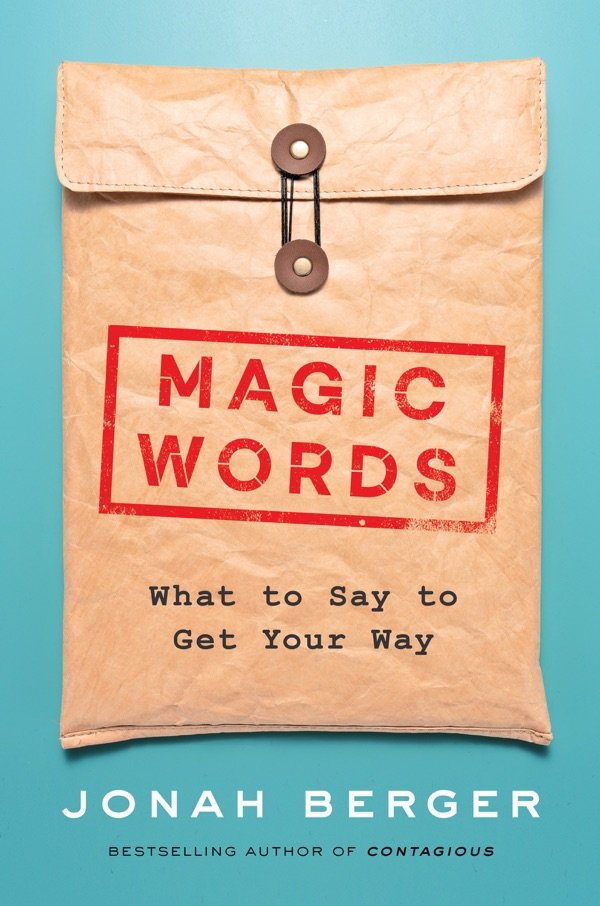
Magic Words: The New Science of Language for Persuasion, Communication, and Driving Action
von Jonah Berger
Category labels often imply a degree of permanence or stability. Rather than noting what someone did or does, feels or felt, category labels hint at a deeper essence: Who someone is. Regardless of time or situation, this is the type of person they are. That they will always be that way. Describing oneself as a hard worker on a résumé, for example, rather than as hard working should lead to more favorable impressions. Describing our coworkers as innovators rather than as innovative should have positive effects on how they’re perceived.
Category labels often imply a degree of permanence or stability. Rather than noting what someone did or does, feels or felt, category labels hint at a deeper essence: Who someone is. Regardless of time or situation, this is the type of person they are. That they will always be that way.
Describing oneself as a hard worker on a résumé, for example, rather than as hard working should lead to more favorable impressions. Describing our coworkers as innovators rather than as innovative should have positive effects on how they’re perceived.
Specifically, we’ll discuss six types of magic words: words that (1) activate identity and agency, (2) convey confidence, (3) ask the right questions, (4) leverage concreteness, (5) employ emotion, and (6) harness similarity (and difference).
Want people to listen? Ask them to be a listener. Want them to lead? Ask them to be a leader. Want them to work harder? Encourage them to be a top performer.
Four strategies for asking better questions are to: (1) follow up, (2) deflect difficulties, (3) avoid making assumptions, and (4) start safe, then build.
"Category labels often imply a degree of permanence or stability. Rather than noting what someone did or does, feels or felt, category labels hint at a deeper essence: Who someone is. Regardless of time or situation, this is the type of person they are. That they will always be that way."
"Describing oneself as a hard worker on a résumé, for example, rather than as hard working should lead to more favorable impressions. Describing our coworkers as innovators rather than as innovative should have positive effects on how they’re perceived."
"Specifically, we’ll discuss six types of magic words: words that (1) activate identity and agency, (2) convey confidence, (3) ask the right questions, (4) leverage concreteness, (5) employ emotion, and (6) harness similarity (and difference)."
"Want people to listen? Ask them to be a listener. Want them to lead? Ask them to be a leader. Want them to work harder? Encourage them to be a top performer."
"Four strategies for asking better questions are to: (1) follow up, (2) deflect difficulties, (3) avoid making assumptions, and (4) start safe, then build."
"Four ways to speak with confidence are to: (1) ditch the hedges, (2) don’t hesitate, (3) turn pasts into presents, and (4) know when to express doubt."
"Four more ways to harness it are to: (1) change can’ts to don’ts, (2) turn shoulds into coulds, (3) talk to yourself, and (4) know when to use “you.”"
- →Category labels often imply a degree of permanence or stability. Rather than noting what someone did or does, feels or felt, category labels hint at a deeper essence: Who someone is. Regardless of time or situation, this is the type of person they are. That they will always be that way.
- →Four strategies for asking better questions are to: (1) follow up, (2) deflect difficulties, (3) avoid making assumptions, and (4) start safe, then build.
- →Four more ways to harness it are to: (1) change can’ts to don’ts, (2) turn shoulds into coulds, (3) talk to yourself, and (4) know when to use “you.”
Ähnliche Bücher gesucht?
Beschreibe deine Situation. Die Suche findet das passende Buch aus der gesamten Bibliothek.